Epoxy-exothermic-reaction-timing
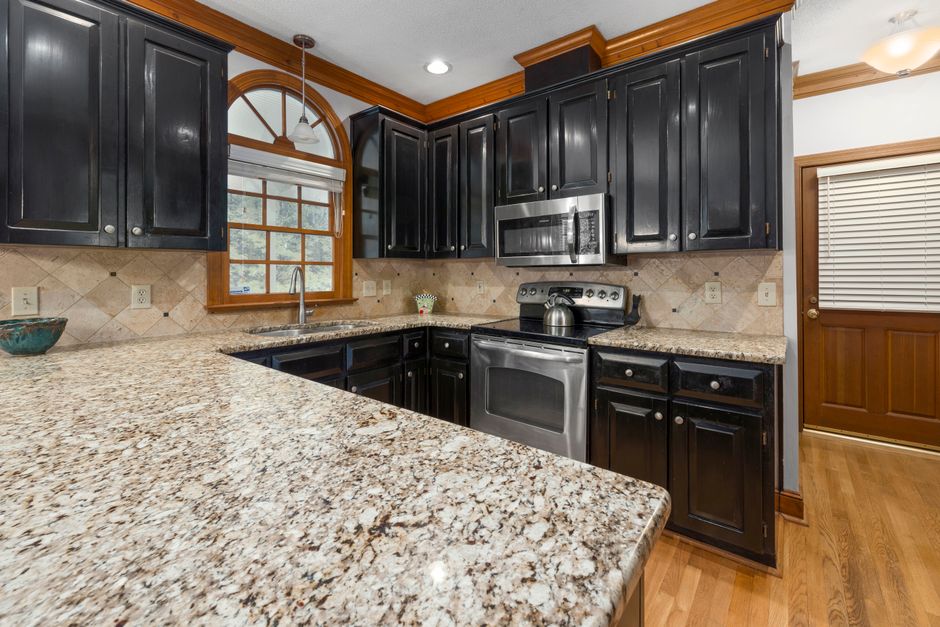
In a humid workshop, the speed of a chemical bond shifts significantly, and the data found at custom countertops buncombe county nc mid jersey chamber shows that a thick slab of resin reacts much faster than a thin layer. Managing a countertop in Buncombe County, NC requires strict control over temperature to avoid failure. Heat builds up inside the material during the curing process. This thermal energy can cause the resin to yellow or even crack as the polymer chains tighten too quickly.
Exothermic Heat Management

The chemical reaction between resin and hardener produces heat. This is not a linear process. A large pour creates a massive thermal mass. The center of the pour reaches much higher temperatures than the surface. If the temperature climbs too fast, the resin expands and then shrinks violently upon cooling. This often results in structural fractures or surface crazing. Monitoring the ambient temperature in the shop is the first step in preventing a ruined pour.
Volume and Depth Constraints
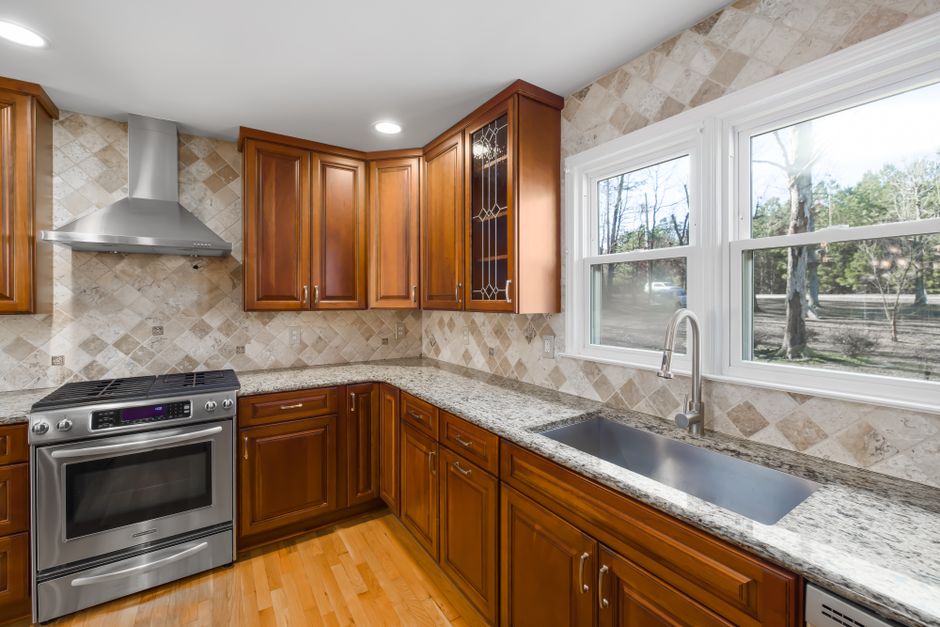
Thickness dictates the rate of heat accumulation. A deep pour in a single mold is a risk for thermal runaway. Most successful jobs utilize multiple thin layers to dissipate heat between stages. If a thick section is poured over a remnant of marble, the stone acts as a heat sink. This can actually help, but if the stone is already warm, the reaction accelerates. Controlling the depth of each layer keeps the temperature within a safe range.
Preventing Discoloration
High heat triggers oxidation. This causes the clear resin to take on a brownish or yellow tint. This discoloration is permanent. To prevent this, the mixing ratio must be exact. Too much hardener increases the heat. Even a slight deviation in the chemical balance leads to a faster, hotter cure. Using a digital scale ensures the chemistry remains stable. A slow cure is a predictable cure. A fast cure is a dangerous cure.
Material Interaction and Seams
When resin meets a different substrate, the thermal expansion rates differ. A resin pour over a sink cutout in a quartz base requires careful timing. The quartz stays relatively stable, but the resin is highly reactive. If the resin gets too hot, it pulls away from the edges of the cutout. This creates a weak bond. Proper seam placement also relies on stable temperatures. A seam that cures too fast will likely crack during the first seasonal temperature shift in Buncombe County, NC.
Tooling and Surface Finish
Thermal stress affects the final edge profile. A bullnose edge that undergoes rapid cooling might develop micro-fractures. These are often invisible until the surface is polished. Slowing the cooling process by controlling the airflow in the workspace protects the integrity of the edge. A controlled environment ensures the resin settles without internal tension. This leads to a stable, clear finish that holds its shape over time.