Level-beam-adjustment

Once the heavy slab is resting on the temporary shims, the true slope of the subfloor becomes apparent, as the notes at custom countertops buncombe county nc mid jersey chamber describe. A level work surface depends on a flat foundation in Buncombe County, NC.
The mechanics of beam adjustment
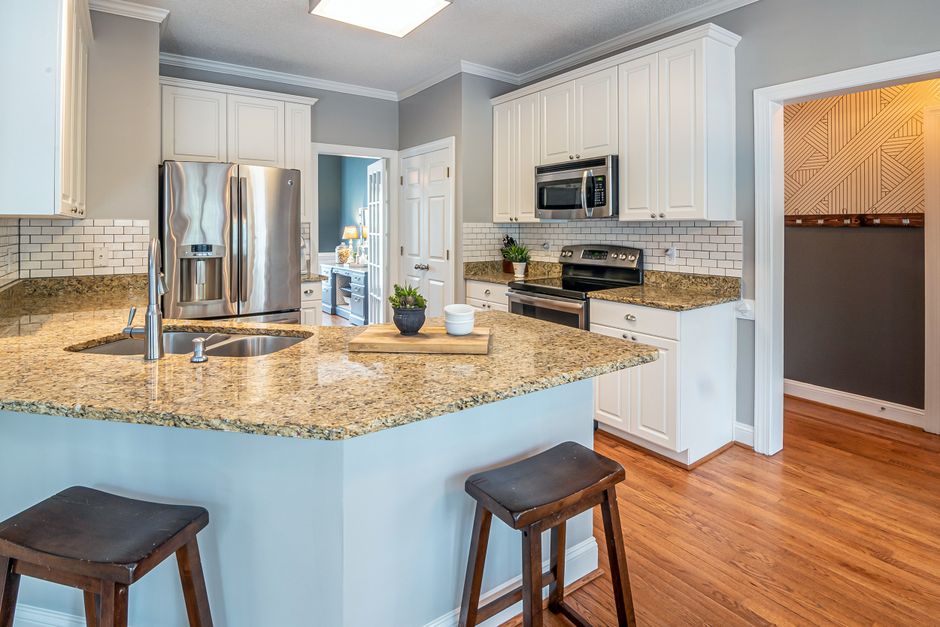
Uneven subfloor heights create stress points along the underside of a granite installation. If the joists or the subfloor itself lack uniformity, the weight of the material will not distribute evenly. This unevenness leads to twisting in the stone. Level-beam adjustment involves placing thin, rigid spacers or shim stock between the cabinetry and the floor to create a perfectly flat plane. This process ensures that the weight of a heavy quartz piece sits vertically on the supports. Without this correction, a seam might open up over time due to structural deflection.
Managing the template process
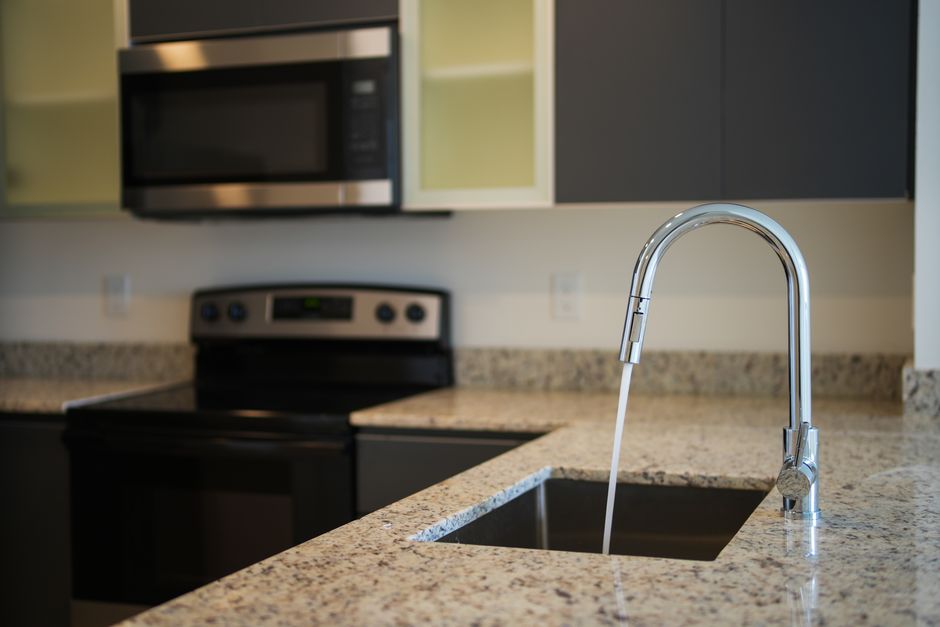
Accurate templating requires a stable base. When the floor is out of level, a digital template might capture the geometry of the cabinets, but it cannot account for the shifting pressure of a heavy material on an unlevel floor. A technician must verify the level across the entire run before the final cutout for a sink cutout is finalized. If the base is not corrected, the sink cutout will sit at an angle, making the installation of an undermount sink nearly impossible. The physical reality of the floor dictates the success of the stone fit.
Structural integrity of the seam
A seam placement is the most vulnerable part of any long run of stone. If the beams or the cabinet tops are not adjusted to compensate for subfloor height variances, the epoxy bond at the seam will face constant shearing forces. This is particularly true for dense materials like quartzite or marble. A slight dip in the floor creates a pivot point. This pivot point puts pressure on the edges, which can lead to hairline fractures. Proper shimming prevents this mechanical failure by ensuring the slab remains in a neutral state.
Edge profiles and weight distribution
The choice of an edge profile also interacts with the stability of the support. A heavy bullnose or a dramatic waterfall edge adds significant weight to specific points of the structure. If the subfloor is uneven, these heavy edges will pull on the cabinetry. Adjusting the beams to provide a flat plane ensures that the weight of a porcelain or soapstone slab remains distributed. Even a small amount of deflection can cause a misalignment where the stone meets the wall or the backsplash.
Final verification of the plane
The last step involves checking the level at the sink cutout and the corners. A single remnant piece used for a small area must still sit flush with the main slab. If the beam adjustment was skipped, the transition between a large slab and a smaller piece will show a visible lip. Constant checking with a long level ensures the entire installation sits on a single plane, regardless of the original subfloor height in Buncombe County, NC.