Grout-joint-width-in-tile-backsplashes
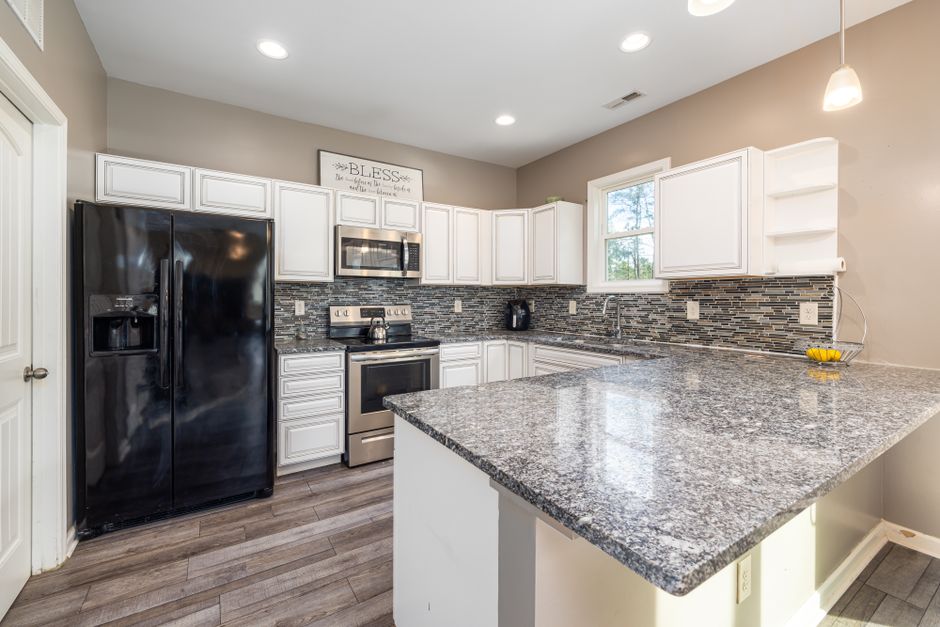
In a high humidity kitchen, the expansion of cementitious materials requires specific spacing for a durable countertop (as detailed at custom countertops buncombe county nc mid jersey chamber) to prevent cracking. A slab of granite or quartz installed in Buncombe County, NC, must accommodate the natural movement of the substrate. The bond between the tile and the wall is not permanent. Thermal fluctuations and moisture absorption cause shifting that a rigid grout line cannot absorb without failure.
Mechanical Spacing Requirements
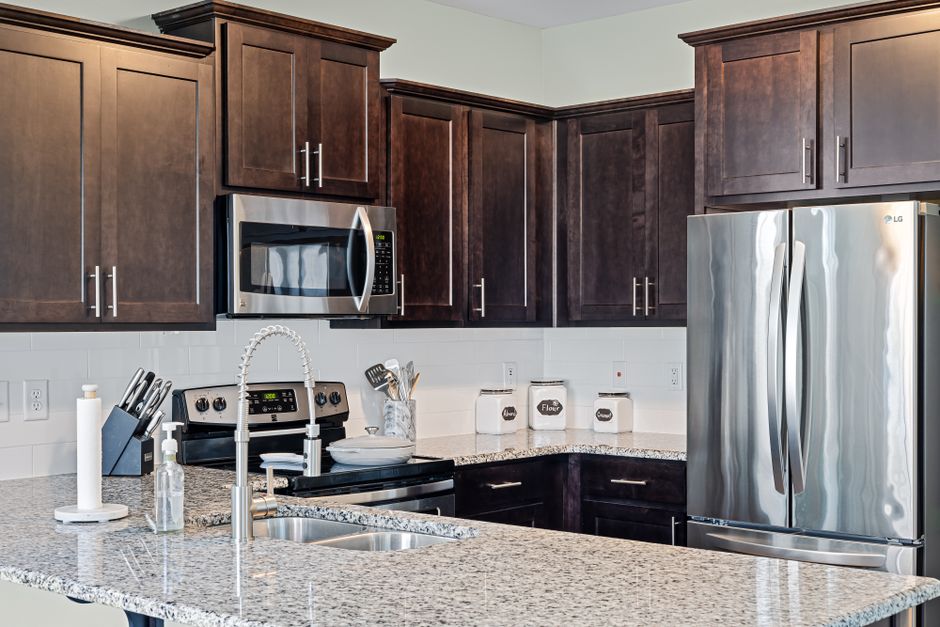
A grout joint width of less than one sixteenth of an inch often fails in backsplash applications. While small gaps look aesthetically pleasing, they lack the mechanical capacity to handle the expansion of the underlying cementitious board. When a porcelain tile is adhered to a wall, the grout serves as a filler, not a structural component. If the joint is too tight, the pressure from the expanding substrate will pop the tile or crack the grout. A minimum width of one eighth of an inch provides enough volume for the grout to flex slightly under load. This is particularly true when the backsplash meets a seam in a quartz or marble surface.
Substrate and Movement
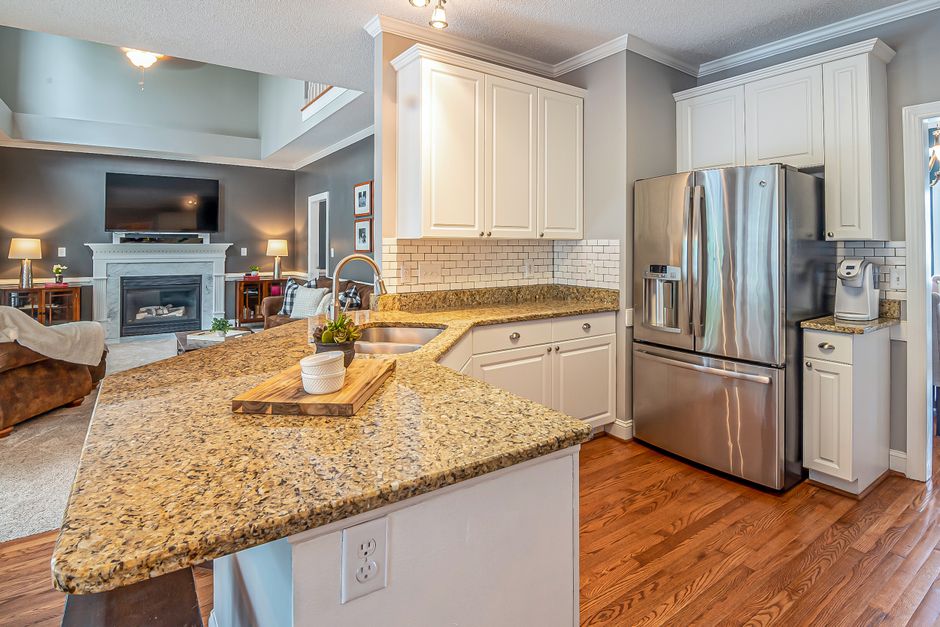
Movement occurs at the junction where the tile meets the slab. Whether the material is soapstone or quartzite, the interface between the vertical tile and the horizontal work surface is a primary point of stress. Using a flexible sealant instead of hard grout at this transition point prevents the hairline fractures common in rigid installations. A silicone based caulk should be used at every corner and every junction where the backsplash meets the edge profile of the countertop. This allows the different materials to move independently during temperature swings.
Material Interaction
The density of the tile affects the grout selection. A heavy porcelain tile exerts more downward pressure than a lighter ceramic. If a sink cutout is located directly below the backsplash area, moisture levels will fluctuate more frequently. This requires a grout with high polymer content to maintain adhesion. A poorly spaced joint in a wet area leads to water infiltration behind the tile, which eventually compromises the bond to the wall. Maintaining consistent spacing ensures that the grout can distribute these stresses across the entire surface area.
Installation Precision
Spacing spacers must be used to maintain uniformity across the entire field. Hand spacing leads to uneven joints that create weak points in the pattern. When the template is finalized and the slab is set, the backsplash must be measured to ensure the grout lines align with the geometry of the stone. A single errant joint can cause a ripple effect that ruins the alignment of the entire installation. Proper width is the difference between a permanent installation and one that requires repair within a single season.