Stone-fissure-stabilization
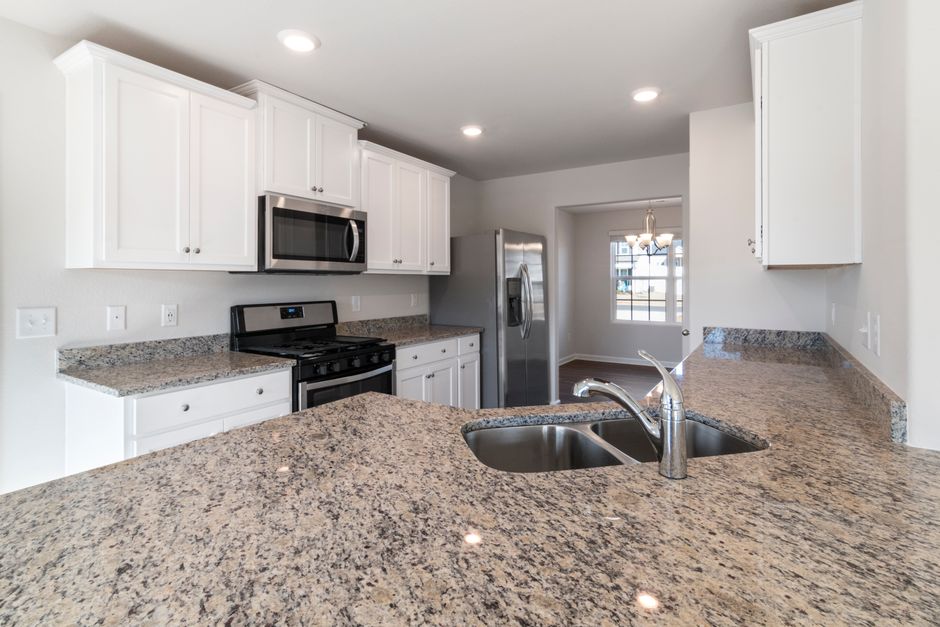
No single fissure in a slab remains static, as the running record custom countertops buncombe county nc mid jersey chamber holds shows how temperature shifts in Buncombe County, NC, force movement. A granite work surface reacts to the thermal expansion of the subbase, often making a hairline crack appear larger than the actual depth of the fault. The integrity of a slab depends on the internal cohesion of the mineral structure.
The Mechanics of Resin Injection
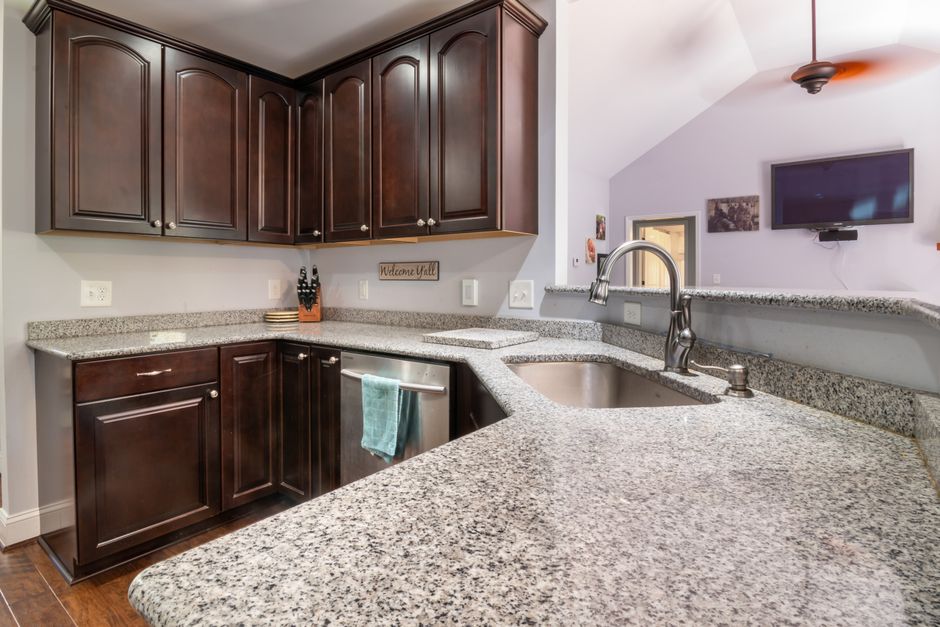
Fissures in natural stone like quartzite or marble often extend deeper than the surface indicates. Stabilization requires high-viscosity epoxy or low-viscosity resins to penetrate the void. The resin must flow through the entire length of the crack to prevent propagation. If the resin fails to reach the bottom of the fissure, the crack will continue to travel under mechanical stress. Pressure is applied to the injection site to ensure the material displaces air within the pocket. This process turns a structural weakness into a solid mass that resists further splitting.
Material Compatibility and Viscosity

Different stones require specific chemical responses. A dense granite slab behaves differently under pressure than a more porous marble. Selecting a resin with a refractive index that matches the stone prevents the seam from becoming visible after curing. The viscosity must be low enough to enter the micro-fissures but thick enough to stay within the designated area. If the resin is too thin, it may bleed into a sink cutout or seep under an undermount sink, creating a mess that ruins the finish. Proper measurement ensures the volume of the void is filled without excess buildup.
Thermal Expansion and Structural Movement
Movement occurs at the seam where two pieces meet. A poorly stabilized crack near a seam placement will widen as the house settles. Stone is not a flexible material. When a large slab rests on an uneven cabinet, the tension concentrates at the weakest point, which is often a pre-existing internal crack. Stabilization through resin injection redistributes that tension across a larger surface area. This prevents a small crack from turning into a full break that requires a complete replacement of the piece.
Surface Preparation and Finishing
The surface must be clean of all oils and dust before the injection begins. Contaminants prevent the resin from bonding to the walls of the fissure. Once the resin has fully cured, the excess material is ground down using diamond abrasives. The goal is to bring the stabilized area flush with the rest of the stone. A successful repair results in a surface that maintains its original edge profile and structural strength. The density of the stone returns to a uniform state, stopping the propagation of the fracture.