Water-jet-path-optimization
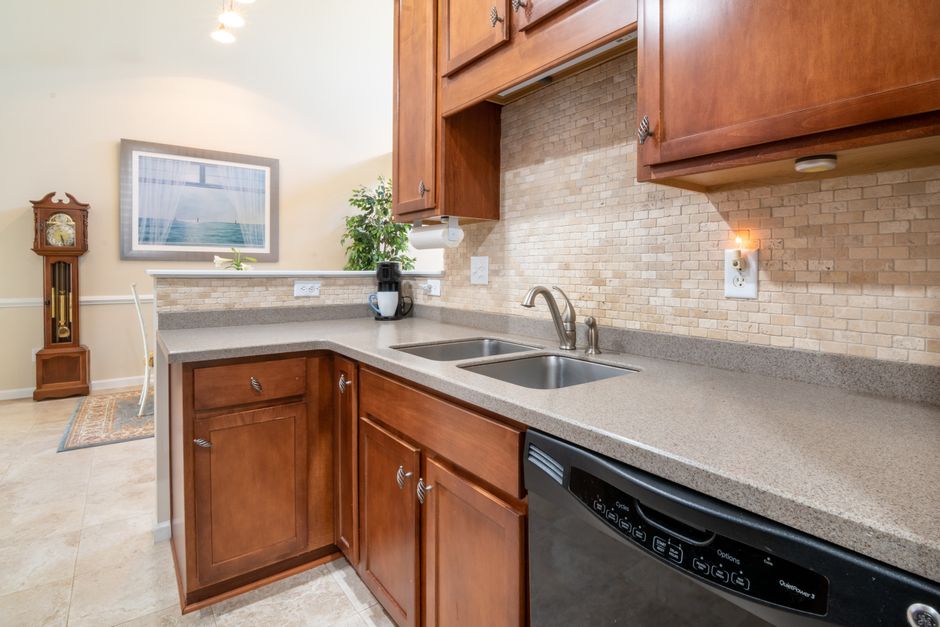
Not every water jet cut preserves the integrity of the stone, as detailed in the technical notes at custom countertops buncombe county nc mid jersey chamber regarding the movement of a heavy slab during the cutting process. High pressure water streams create localized thermal energy that can affect the molecular structure of a quartz surface. Working in Buncombe County, NC requires a specific approach to prevent microscopic cracking. A single worktop requires careful pathing to avoid unnecessary tension.
Thermal Dynamics in Water Jet Cutting
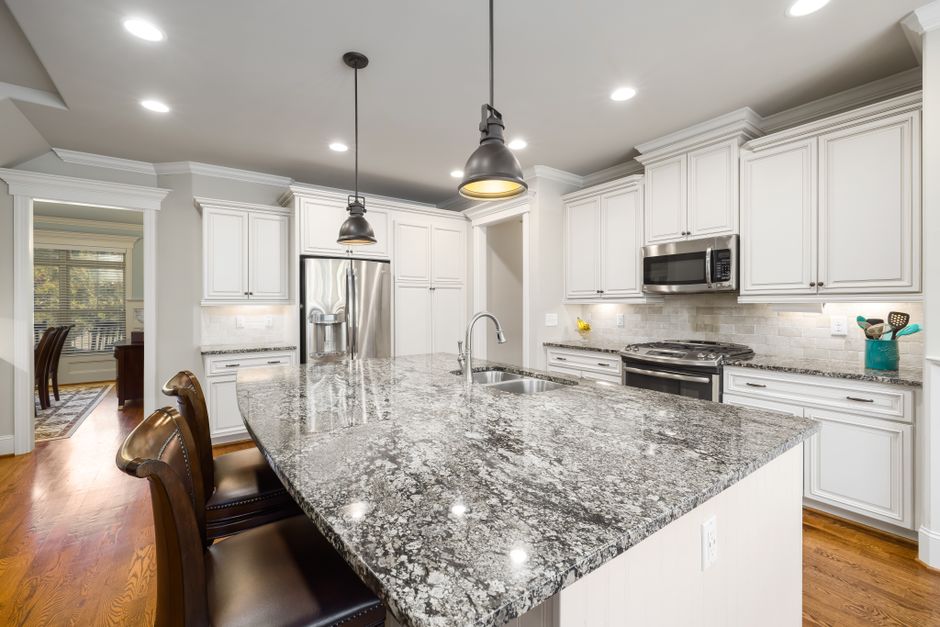
Heat buildup occurs when the jet head lingers too long in one area of a granite slab. The friction of the abrasive garnet creates heat that travels through the material. Rapidly changing direction causes the jet to dwell, which leads to uneven expansion. A tight radius on a sink cutout often traps heat in the corner. Programming the toolpath to maintain constant velocity prevents these thermal spikes. The path must favor continuous motion over stop and start mechanics to keep the temperature stable across the granite.
Managing Mechanical Stress and Vibration
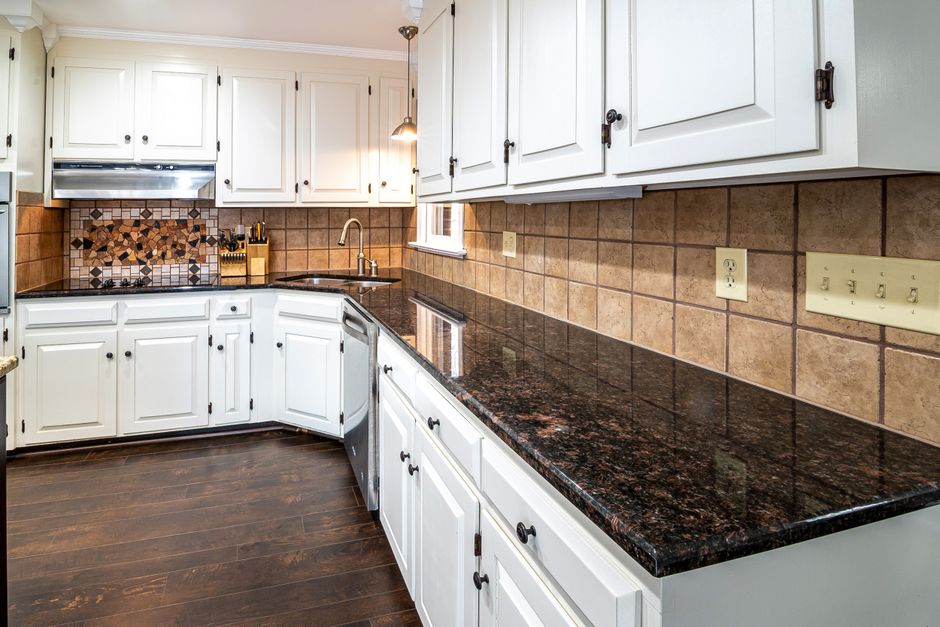
Vibration from the jet can cause micro fractures in delicate marble. The path must account for the thickness of the material to avoid deflection. When the jet cuts through a thick quartzite piece, the pressure can cause the slab to flex. This movement shifts the toolpath accuracy. A digital template must be used to calculate the exact entry and exit points to minimize the time the jet spends at the edge of a shape. Avoiding sharp, 90 degree turns reduces the sudden mechanical jolts that stress the internal structure of the stone.
Optimization of Toolpath Geometry
The sequence of cuts dictates how much stress accumulates in a single area. Cutting the largest pieces first leaves the remaining material more stable. A small remnant might warp if the jet spends too much time cutting complex shapes in one corner. The toolpath should prioritize the outer perimeter before moving to internal cutouts. This method keeps the overall tension distributed. Managing the path allows for a more consistent edge profile across the entire piece.
Seam Placement and Structural Integrity
The pathing for a seam placement requires precision to ensure the two pieces align without tension. If the jet path causes even a slight bow in the edge, the seam will never sit flush. This is especially true for porcelain, which reacts poorly to thermal shock. The toolpath must ensure that the edges are perfectly parallel to the intended joint. A waterfall edge requires a continuous, smooth motion to prevent the micro fractures that lead to breakage during installation.
Final Path Validation
Every programmed path undergoes a check against the original digital template. The velocity of the jet must be adjusted based on the density of the material. A heavy soapstone slab requires a different speed than a lighter laminate. The goal is a path that minimizes the time the jet spends in any single coordinate. This reduces the cumulative heat and ensures the slab remains structurally sound from the first cut to the final shape.