Adhesive-color-tinting-ratio
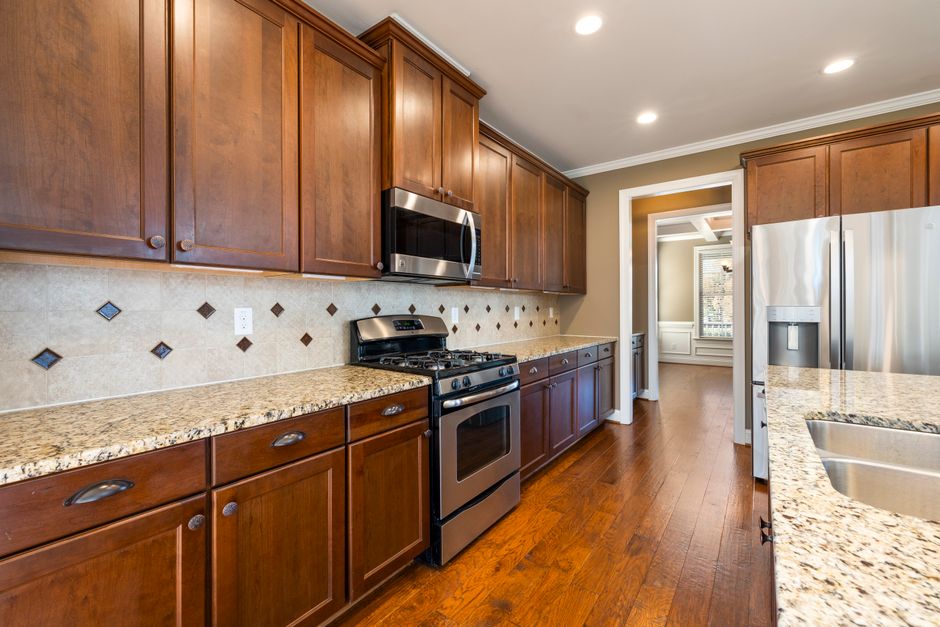
Pigment volume dictates the final opacity of the resin. The technical data found in the running record custom countertops buncombe county nc mid jersey chamber holds shows that a single drop of concentrated oxide alters the entire batch of a resinous work surface. Achieving a match for a granite slab requires a different calculation than a light colored marble or a dark soapstone. Precision in Buncombe County, NC depends on the ratio of pigment weight to the total volume of the epoxy resin before any pour occurs.
Pigment Loading and Viscosity

The ratio of tint to adhesive changes the flow characteristics of the material. Too much pigment increases the viscosity and prevents the resin from settling into the grain of a quartzite piece. A standard ratio starts at one percent pigment by weight. Adding more than five percent often results in a cloudy finish that lacks the depth found in natural stone. A small sample overstates the edge because the thickness of the pour affects light refraction. Testing the tint on a small remnant allows for a check of the color saturation before the main pour begins.
Matching Natural Stone Tones
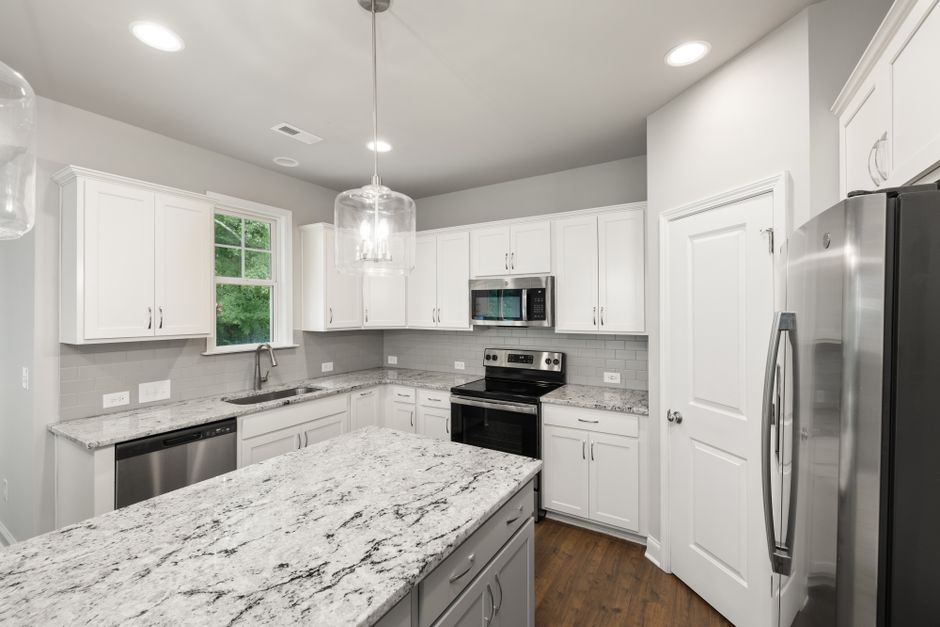
Color matching is a mechanical process of layering. A base coat of clear resin provides the depth, while a secondary tint layer mimics the veins of a slab. For a dark granite, a black oxide is used in very small increments. For a white marble, titanium dioxide is added to create opacity. If the pigment concentration is too high, the adhesive may fail to bond correctly with the substrate. This failure often occurs at the seam where two sections meet. Proper mixing ensures the color remains consistent from the sink cutout to the far overhang.
Managing the Seam and Color Continuity
A seam placement requires the adhesive to match the surrounding material perfectly. If the tint ratio is off by even a fraction, the line becomes visible under direct light. Using a digital template ensures the pieces fit with minimal gap, reducing the amount of epoxy needed for the joint. A dark tint in a seam can look like a crack if the color is not calibrated to the stone. The goal is to make the transition between a slab and a cutout invisible to the eye.
Edge Profiles and Light Diffusion
The edge profile affects how the color appears to the eye. A bullnose edge catches light differently than an eased edge. The pigment must be distributed evenly to prevent pooling in the curves of a waterfall edge. If the ratio is inconsistent, the edges will appear darker than the flat surface. This happens because the resin settles deeper in the rounded sections. Testing the color on a scrap piece of the same material is the only way to verify the final look.