Polishing-pad-backing-rigidity
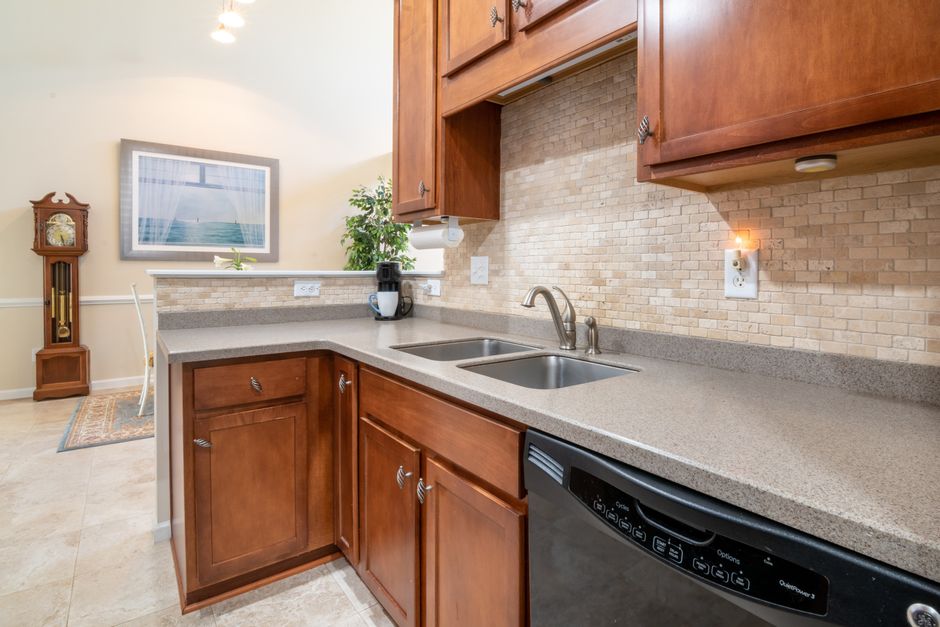
Under heavy vibration, the variation in surface gloss becomes more pronounced, as noted in the records at custom countertops buncombe county nc mid jersey chamber regarding the installation of a granite countertop in Buncombe County, NC. A rigid backing pad provides a stable plane for the diamond abrasive to follow. If a pad lacks stiffness, the grit wanders across the slab. This movement creates uneven light refraction. A flat surface requires a consistent pressure application. Without a stiff backing, the pad conforms to the micro-topography of the stone instead of leveling it. This results in a mottled appearance rather than a uniform mirror finish.
Mechanical Rigidity and Surface Flatness
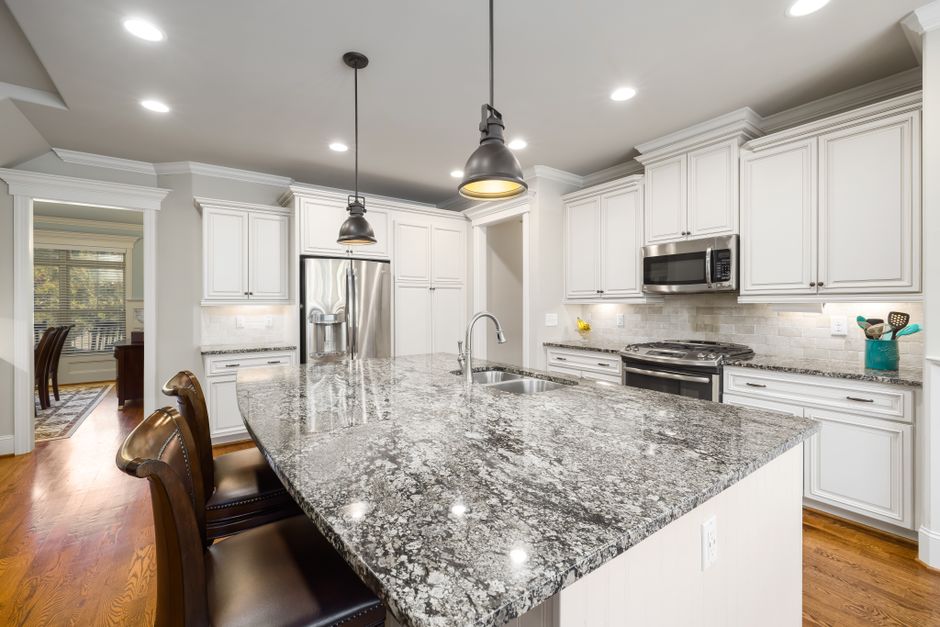
A soft backing pad allows the abrasive to dip into low spots. On a piece of quartzite, this creates a wavy texture that shows up under direct lighting. The backing must resist deflection under the weight of the machine. When a technician uses a flexible pad, the grit does not stay in a single plane. This instability ruins the geometry of the work. A rigid pad forces the diamonds to cut only the high points. This mechanical action ensures the slab remains flat across its entire expanse. Consistent pressure is the only way to achieve a true polish on harder materials.
Impact on Edge Profiles
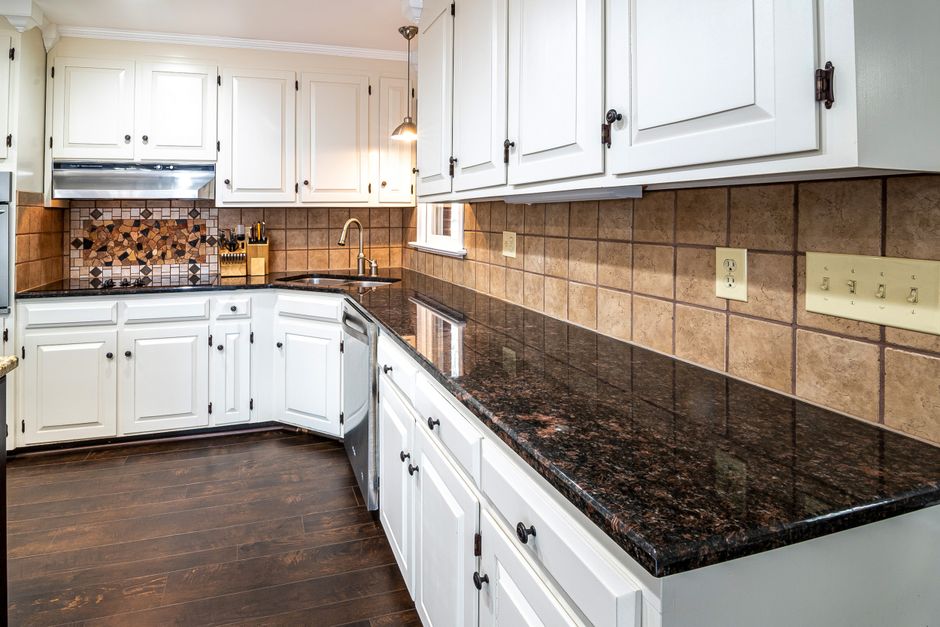
The stiffness of the pad changes how an edge profile reacts to the machine. An eased edge requires a steady hand and a firm backing to avoid rounding the corners too aggressively. If the pad is too soft, the machine will dive into the corner. This creates a gouge or an uneven curve. On a bullnose edge, the backing pad must maintain a constant angle. Any flex in the pad changes the radius of the curve. Using a rigid backing ensures the radius stays within the specified dimensions. This prevents the edge from looking lopsided or inconsistent.
Material Specific Requirements
Different stones demand different levels of support. A soft marble requires a bit of compliance to prevent scratching, but too much flex destroys the shine. For a quartz surface, the resin bond and the backing pad must work together to maintain a flat plane. A rigid pad helps prevent the machine from tracking unevenly across the resin. If the pad is too compliant, the machine will follow every slight dip in the material. This creates a surface that looks dull in certain spots. A stiff pad keeps the diamonds on a predictable path.
Seam Integrity and Finishing
The way a pad behaves affects the visibility of a seam. When joining two pieces of a slab, the polish must be identical on both sides. A rigid backing pad helps the machine travel straight across the joint. If the pad flexes, the polish depth changes at the seam. This makes the transition visible to the eye. A consistent finish across the seam placement is the goal. A stiff backing pad provides the mechanical stability needed to bridge that gap without creating a ridge or a dip.