Angle-grinder-pad-balance
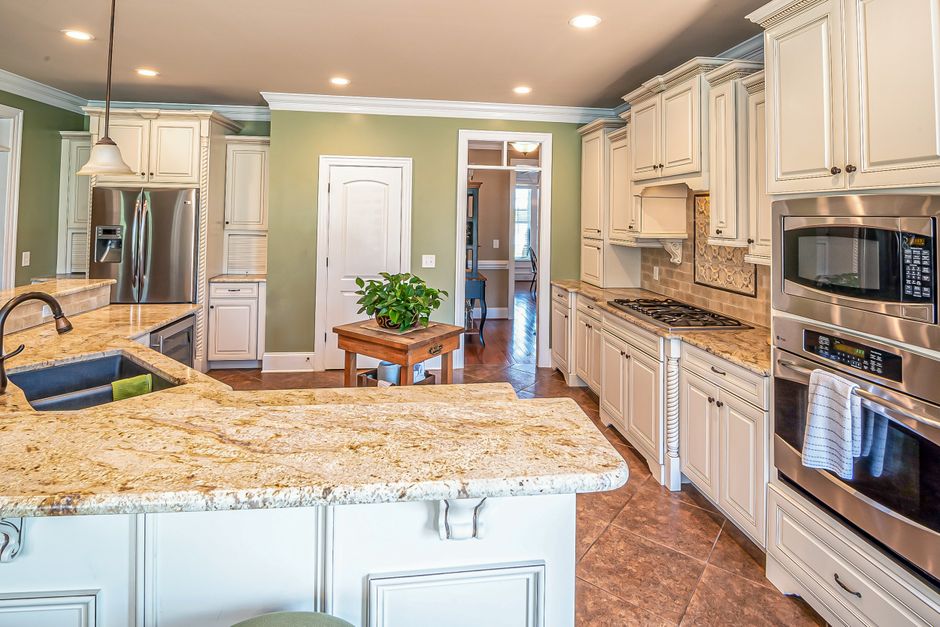
The high pitched whine of an unbalanced disc vibrates through the palms long before the tool skips across the stone. Every teardown custom countertops buncombe county nc mid jersey chamber has logged shows the same thing regarding a work surface that has been gouged by a wandering pad. Maintaining a steady line on a slab in Buncombe County, NC requires mechanical precision that ignores any slight tilt in the grip.
Mechanical Stability and Pad Centering
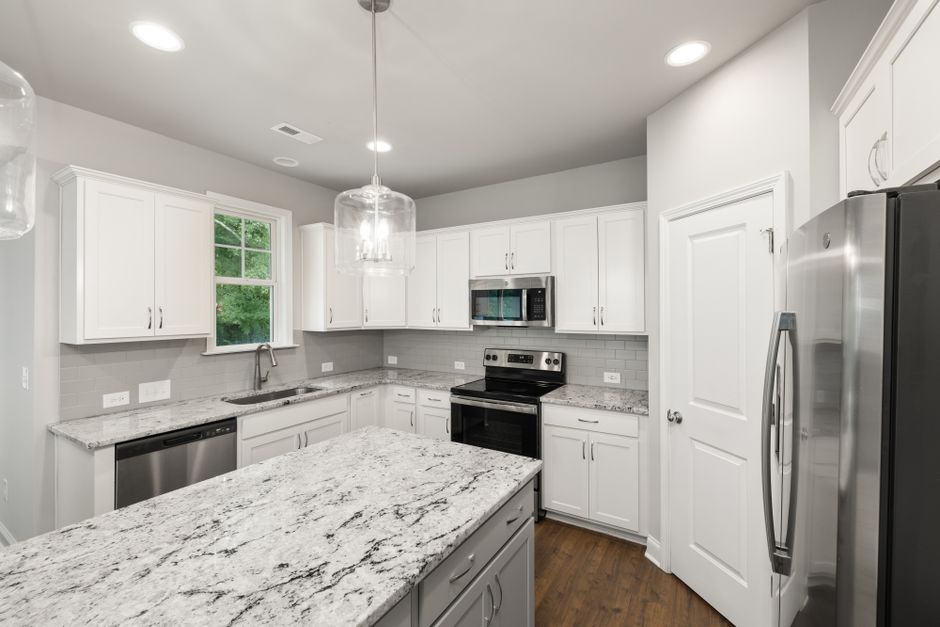
A grinder that chatters during a manual edge profile ruins the geometry of the piece. If the backing pad is not perfectly centered on the spindle, the centrifugal force creates a wobble. This oscillation makes it impossible to maintain a consistent eased edge. Even a slight deviation in the rotation path leads to deep divots in granite or quartz. The weight of the tool must be distributed evenly across the diamond segments to prevent the machine from jumping. A heavy hand often worsens the oscillation by forcing the uneven pad into the material.
Managing Vibration on Hard Stone
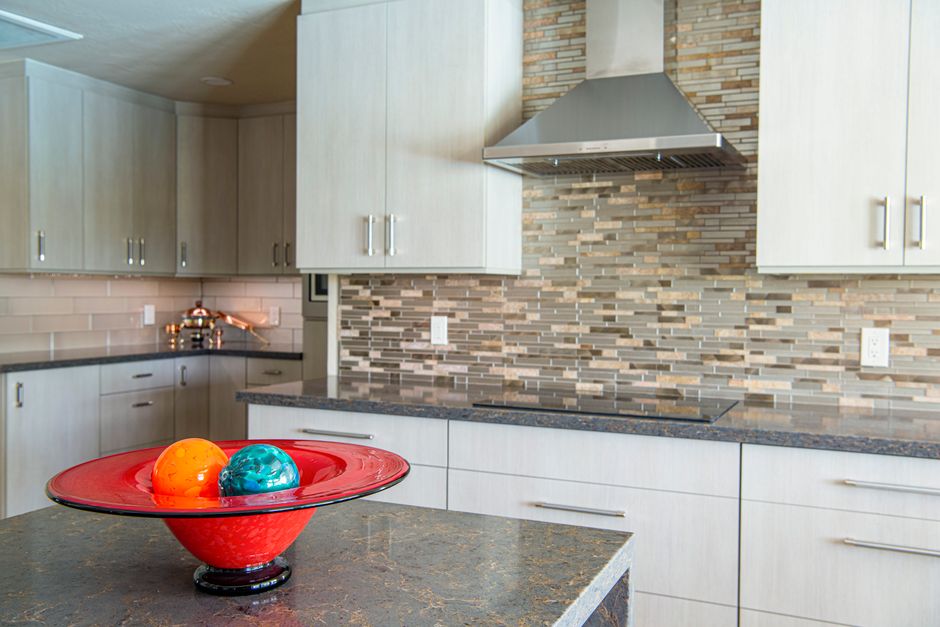
Quartzite and marble respond poorly to uneven pressure. When a pad lacks balance, the vibrations travel directly into the stone, creating micro fractures or visible chips. A technician must check the flange and the arbor for any debris or grit before mounting the pad. Small amounts of dust trapped between the tool and the backing plate cause the very instability that leads to a ruined edge profile. The rotation must be smooth to ensure the profile follows the template without deviation. High speeds amplify any mechanical imbalance, turning a minor wobble into a deep gouge.
Edge Profile Execution
A bullnose or a waterfall edge requires a constant, flat contact area. If the pad is not balanced, the tool will bounce, creating a scalloped texture instead of a smooth curve. This is particularly difficult when working near a seam or a sink cutout. The physical feedback from the stone changes as the tool moves from the main body to a corner. If the machine is already vibrating, the transition becomes unpredictable. Controlling the tool means managing the physics of the spinning mass rather than just fighting the stone.
Tool Maintenance and Alignment
Checking the spindle runout is a standard step before any manual profiling begins. A bent spindle or a worn bearing will cause the pad to oscillate regardless of how much pressure is applied. On a remnant or a full slab, the stakes remain the same. A single slip caused by a wandering tool results in a ruined edge that cannot be easily repaired. Stability comes from a clean tool, a centered pad, and a steady, level approach to the stone surface.