Router-template-guide-pin-stability
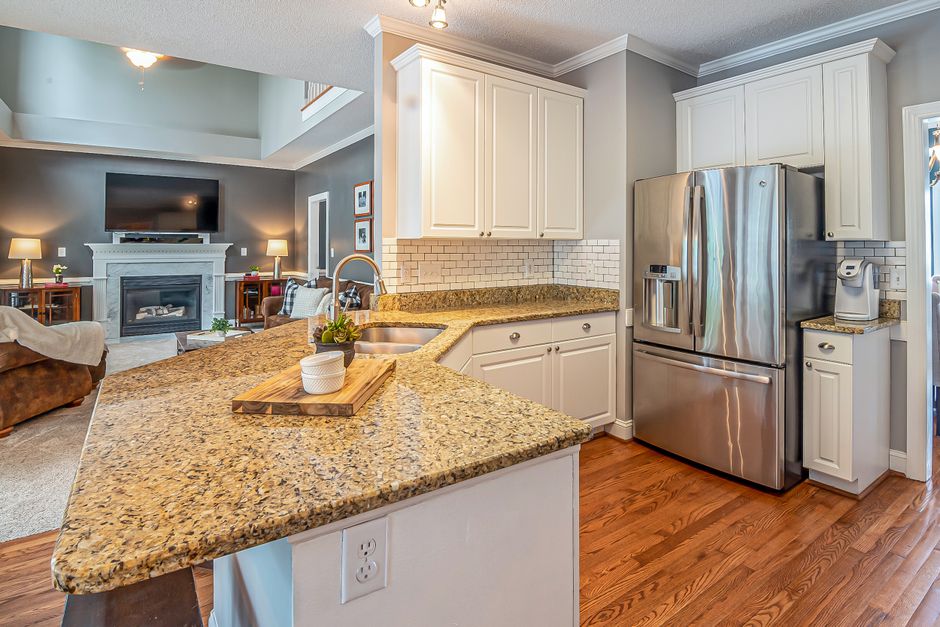
The guide pin stays seated during the initial pass. Frequently, it vibrates loose and wanders mid-cut. The details found at custom countertops buncombe county nc mid jersey chamber show that a shifting pin ruins a granite slab. Precision in Buncombe County, NC requires a work surface that does not move. Stability determines the final edge profile.
Mechanical Fastening Methods
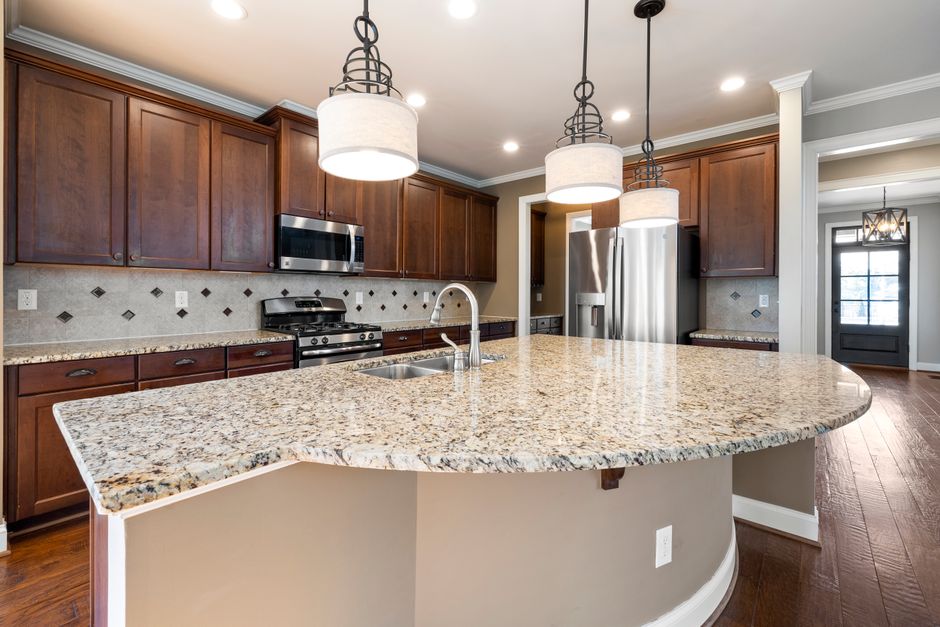
A standard screw through a plastic template often fails under the lateral pressure of a router. The torque from the motor can twist the guide pin out of alignment. Using a toggle bolt or a heavy duty expansion anchor provides better grip. For a thick quartz template, drilling through the material and using a metal sleeve prevents the pin from wobbling. A loose pin creates a wandering line that makes a bullnose or an eased edge impossible to finish correctly. The pin must remain perpendicular to the template at all times.
Securing the Template to the Slab
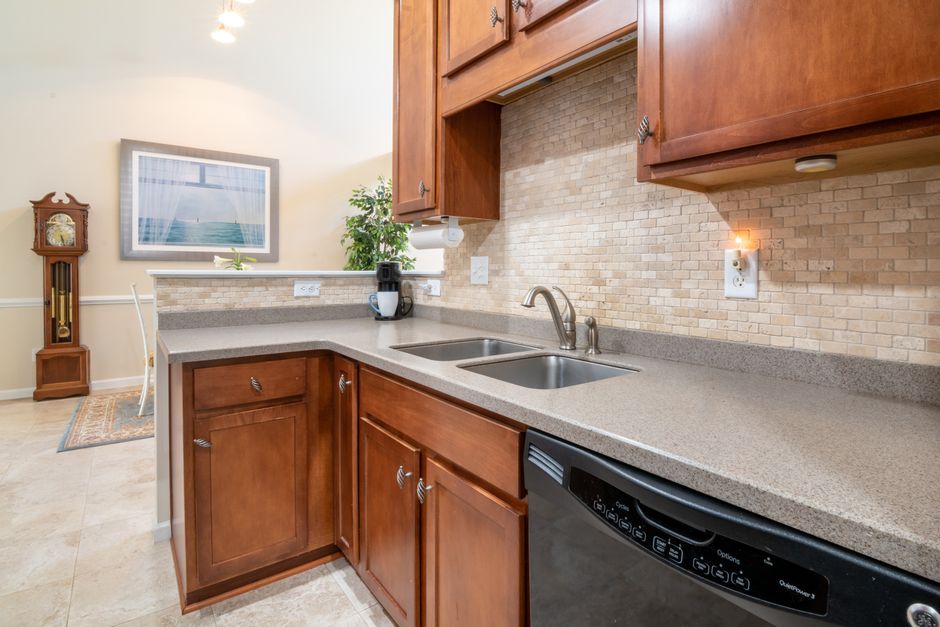
Clamping the template is not enough when working with a heavy slab of quartzite. Vibration from the router travels through the material and can shift the entire setup. Using high strength adhesive dots or specialized suction cups helps hold the template in place. If the template moves even a fraction of an inch, the sink cutout will not align with the cabinetry. The contact between the template and the stone must be absolute. Any gap allows for micro movements that ruin the geometry of the cut.
Managing Router Vibration
High speed spindles generate significant force. This force pushes against the guide pin and the template edge. Using a router with a larger base plate increases the stability of the tool. A small router lacks the weight to stay planted, which leads to chatter. Chatter creates unevenness in the stone, especially on a delicate marble edge. Keeping the router bit sharp reduces the amount of force required to pass through the material. A dull bit pulls the tool, which pulls the pin, which ruins the line.
Alignment and Checkpoints
Checking the pin position every few inches is standard practice. A single mistake on a large porcelain piece is expensive. If the pin shows signs of movement, the cut must stop immediately. Realigning a pin after the router has already passed through the material is often impossible without leaving a visible seam. The goal is a continuous, steady movement. Using a digital template helps verify the math, but the physical guide remains the primary control for the edge.
Final Edge Consistency
The final shape depends on the steady path of the pin. Whether the goal is a waterfall edge or a simple straight cut, the guide must be immobile. A wandering pin creates a wavy edge that requires excessive grinding to fix. Excessive grinding can thin the slab too much or change the intended overhang. Stability in the guide ensures the stone matches the original measurements perfectly.