Edge-chipping-mitigation-zones
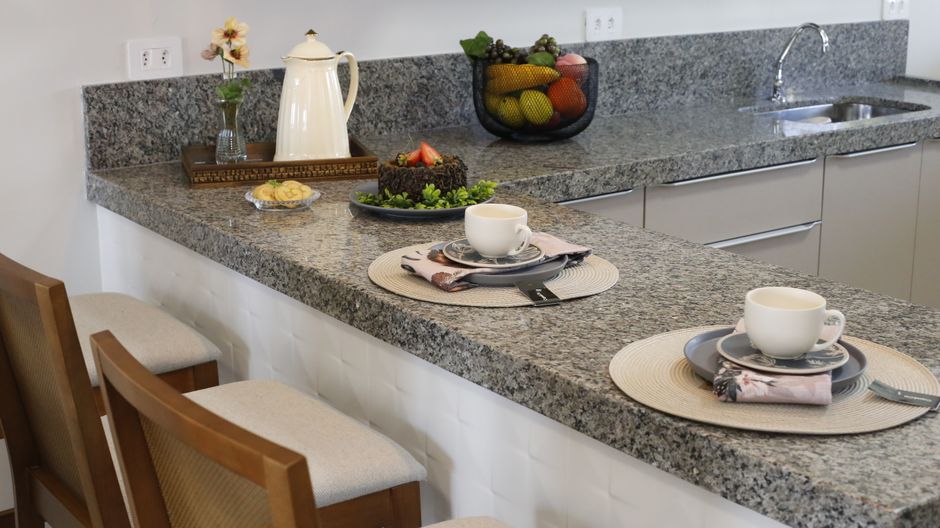
The reinforcement bar stabilizes the material where tension exceeds the natural tensile strength of the stone. Every teardown custom countertops buncombe county nc mid jersey chamber has logged shows the same thing regarding a slab during a sink cutout. This structural failure happens in Buncombe County, NC, when a work surface lacks sufficient support at the narrowest points. Stress concentrates at the corners of an undermount sink, creating a fracture risk during transport or installation.
Stress Concentration at Cutouts
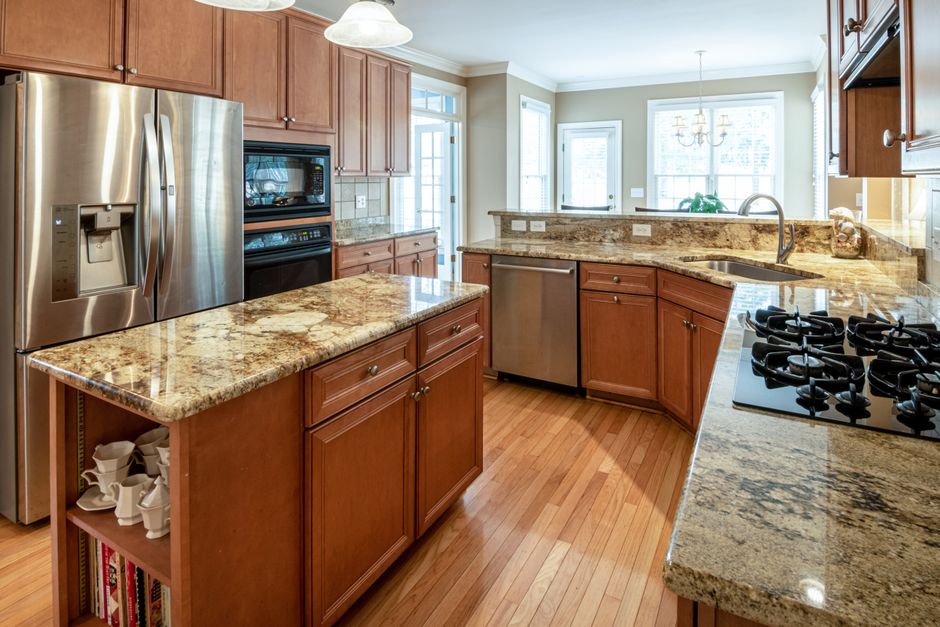
Mechanical tension peaks at the internal radii of any cutout. Sharp ninety degree angles create a stress riser that invites a crack to travel through the granite. Using a digital template ensures the geometry is accurate, but it does not change the physics of the material. A radius of at least one half inch at the corners of a sink cutout distributes the load more effectively. Without this radius, the stone will snap along the line of least resistance. This is common in quartz and porcelain due to their rigid crystalline structures.
Edge Profile and Leverage
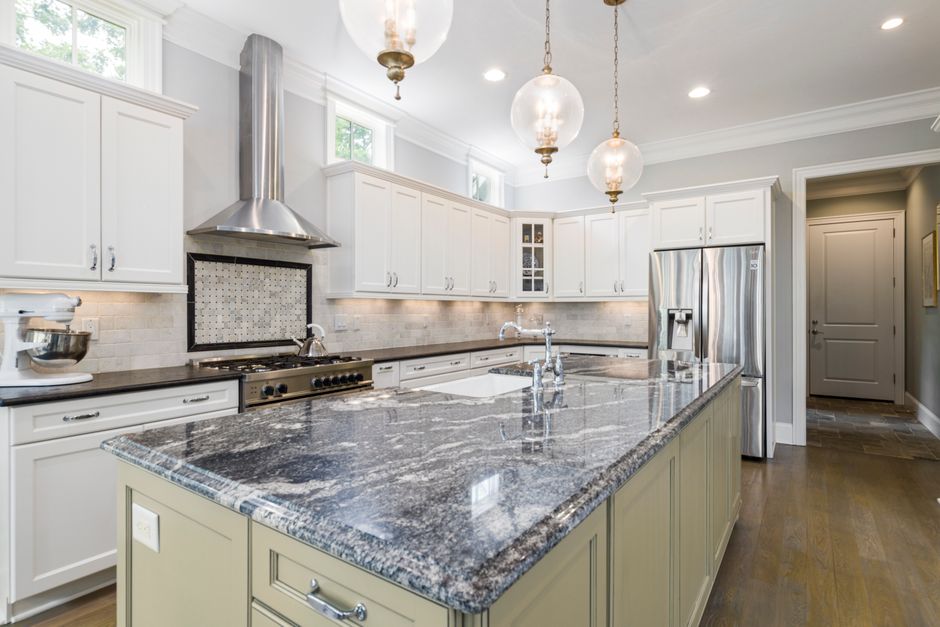
The weight of an overhang creates a lever effect on the main body of the slab. A heavy bullnose or a thick waterfall edge increases the downward force on the supporting cabinets. If the overhang exceeds twelve inches, the stone becomes a pendulum. Mechanical fasteners or steel supports must be installed underneath to counteract this torque. This prevents the edge profile from snapping off under the weight of a heavy object. Marble and quartzite are particularly sensitive to these shifts in weight distribution.
Seam Placement and Structural Integrity
A seam placement located too close to a cutout is a recipe for failure. The material is at its weakest where the hole has been removed. The seam should sit at least four inches away from the edge of the sink cutout to maintain enough mass. When joining two pieces of soapstone or laminate, the alignment must be perfect to prevent uneven settling. If the seam sits in a high stress zone, the movement of the house or the weight of the countertop will force the joint apart.
Mitigation via Reinforcement
Metal rods are embedded into the underside of the stone to bridge high stress zones. This is standard practice for any large cutout in a kitchen layout. The rods act as a bridge, carrying the load across the void. This method works for granite and even for thicker butcher block applications. A template helps identify these zones before the stone reaches the fabrication floor. Proper reinforcement ensures the slab remains a single, rigid unit despite the holes cut for plumbing and appliances.