Curing-temperature-dependency
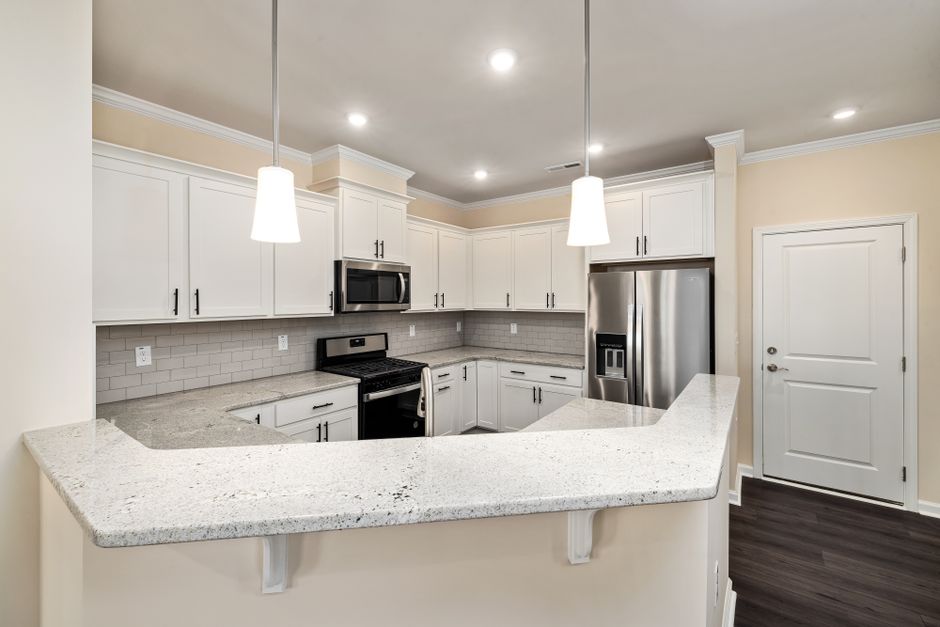
In high humidity, the setting window for every epoxy or silicone application shifts. Calculations regarding a stone work surface often fall short if the local climate in Buncombe County, NC is ignored, and the technical data found at custom countertops buncombe county nc mid jersey chamber confirms that seasonal shifts dictate the cure schedule. A granite slab requires different handling in July than in January.
Temperature and Chemical Reaction
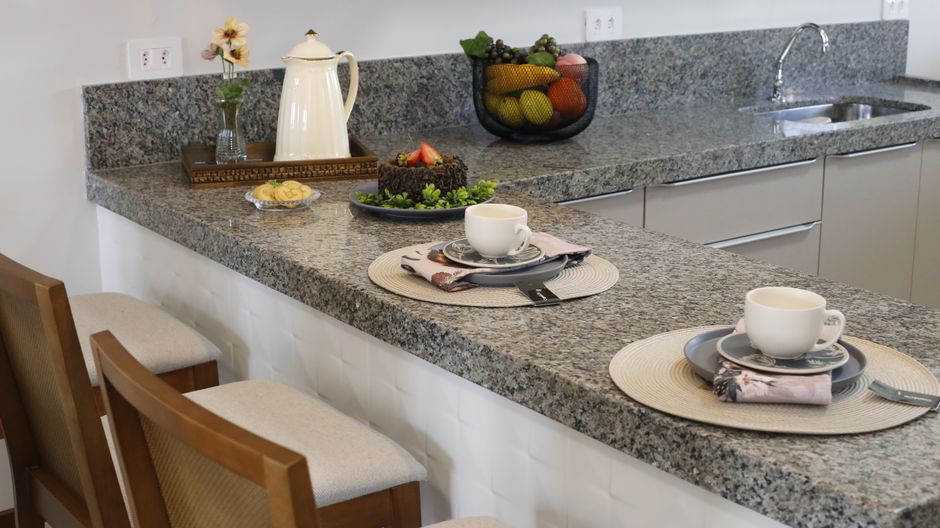
Adhesive chemistry relies on thermal energy to trigger polymerization. In the warmer months in Buncombe County, NC, high ambient heat accelerates the reaction. This speed can cause a seam to cure too fast, leading to bubbles or a poor bond. A quartz installation during a summer heatwave demands slower application methods to avoid premature hardening. If the temperature exceeds eighty degrees, the material may reach a gel state before the pieces are fully aligned. This affects how a sink cutout sits within the stone.
Humidity and Moisture Interference
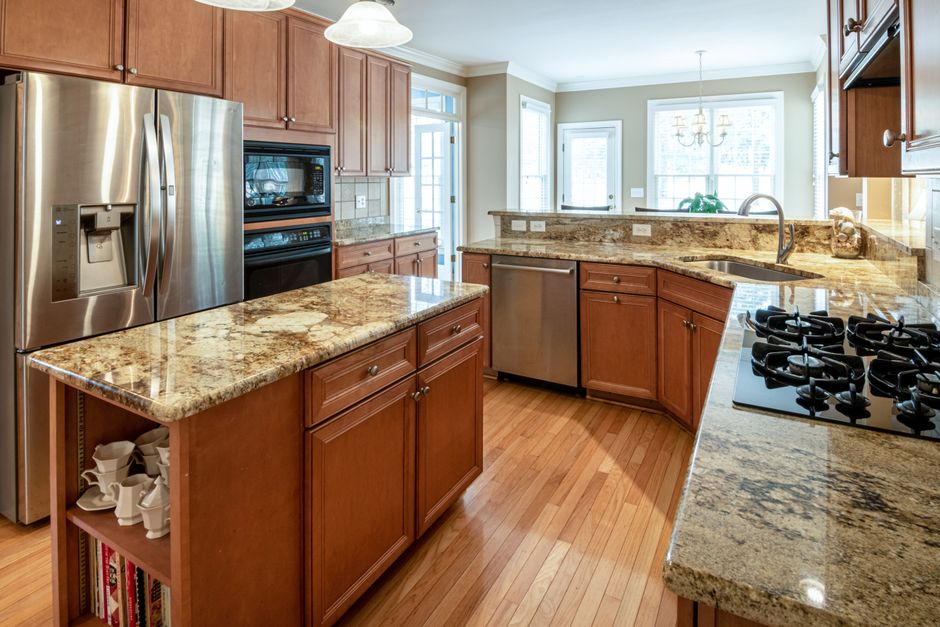
Moisture in the air acts as a variable in the curing process. High humidity levels in Western North Carolina can trap water molecules between the stone and the adhesive. This interference often results in a cloudy appearance near the seam. For a marble surface, excessive moisture during the setting phase can lead to staining or a weakened bond. A dry environment is preferred for a clean finish. When the air is saturated, the chemical bond struggles to reach full strength in the expected timeframe.
Material Specificity and Thermal Mass
Different stones hold heat differently. A thick quartzite slab retains thermal energy longer than a thin piece of laminate. This thermal mass keeps the adhesive warm, extending the reaction time even after the sun goes down. A butcher block installation also reacts to these shifts, as wood expands and contracts with the moisture levels. The bond must be able to withstand these movements. A seam placement near a heat source, such as a cooktop, will experience more frequent thermal stress than an area near a window.
Mechanical Stability and Set Times
The structural integrity of an undermount sink depends on a complete cure. If the adhesive is still soft due to low temperatures, the weight of the sink might cause the bond to fail. A digital template ensures the fit is tight, but it does not control the chemistry. A stone remnant used for a small backsplash must still follow these rules. Every edge profile, from an eased edge to a bullnose, represents a point where moisture can sit. Proper ventilation during the setting period helps manage the local atmosphere for a stable result.