Sink-rim-compression-limits
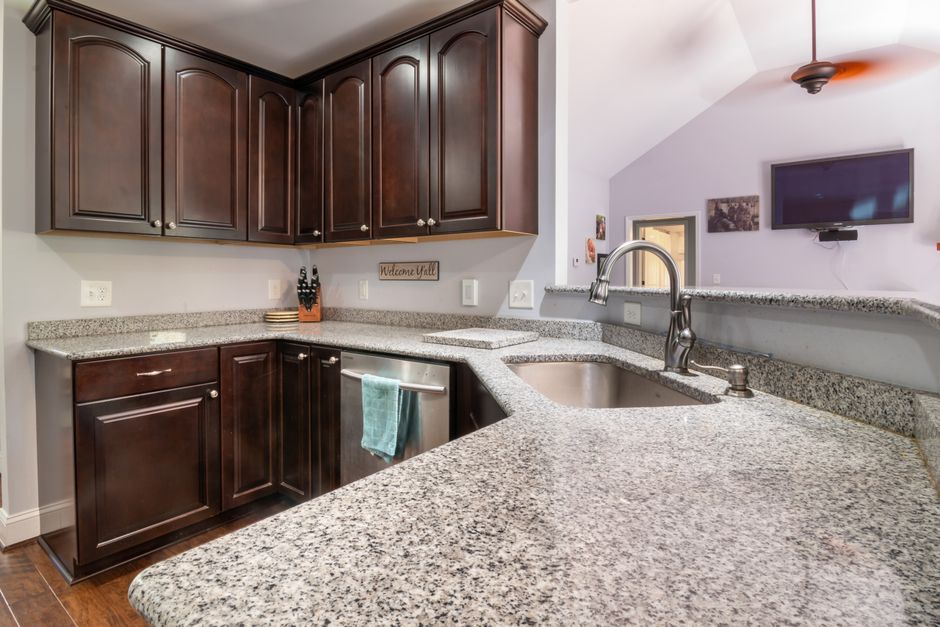
Forty foot pounds of torque represents a failure point for most stone installs. This limit is noted in the documentation provided at custom countertops buncombe county nc mid jersey chamber regarding every granite work surface installed in Buncombe County, NC. Over tightening a clip causes stress concentration directly under the sink cutout. A fracture often begins at the corner of the opening where the material is thinnest. Mechanical tension must be distributed evenly to prevent a crack from traveling toward a seam.
Mechanical Stress and Material Density
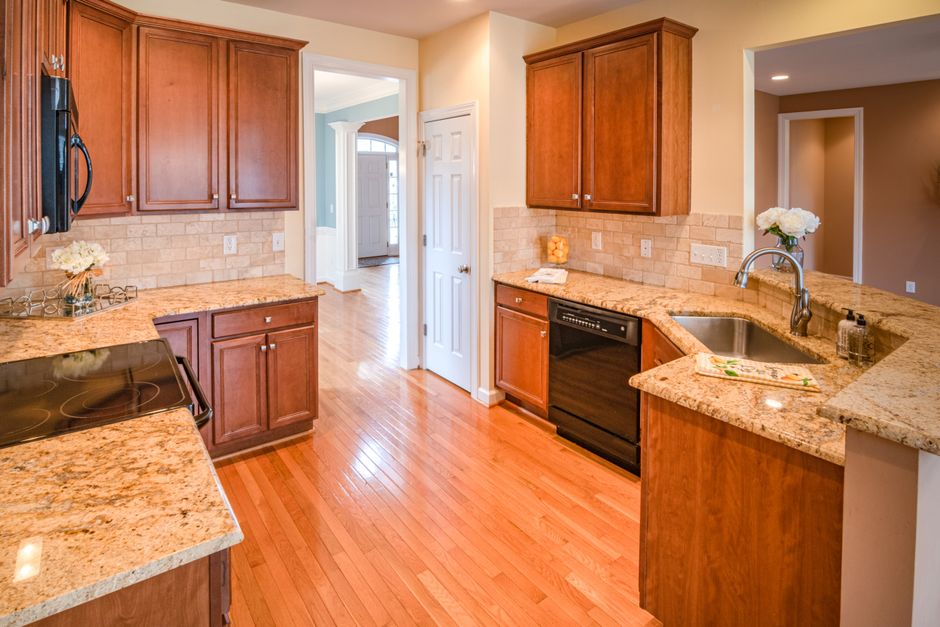
The density of a slab dictates how it reacts to localized pressure. Quartz remains relatively stable under compression due to its resin content. However, a natural quartzite or a delicate marble will fail if the undermount sink clips are tightened beyond the specified limit. When a sink is mounted, the clips apply upward force against the underside of the stone. If the clip is too tight, the stone cannot flex. This rigidity leads to immediate breakage or delayed cracking during thermal expansion. Using a torque wrench is the only way to ensure the clips do not exceed the threshold. A small amount of over-tightening on a granite edge profile can cause a hairline fracture that ruins the entire piece.
The Geometry of the Sink Cutout
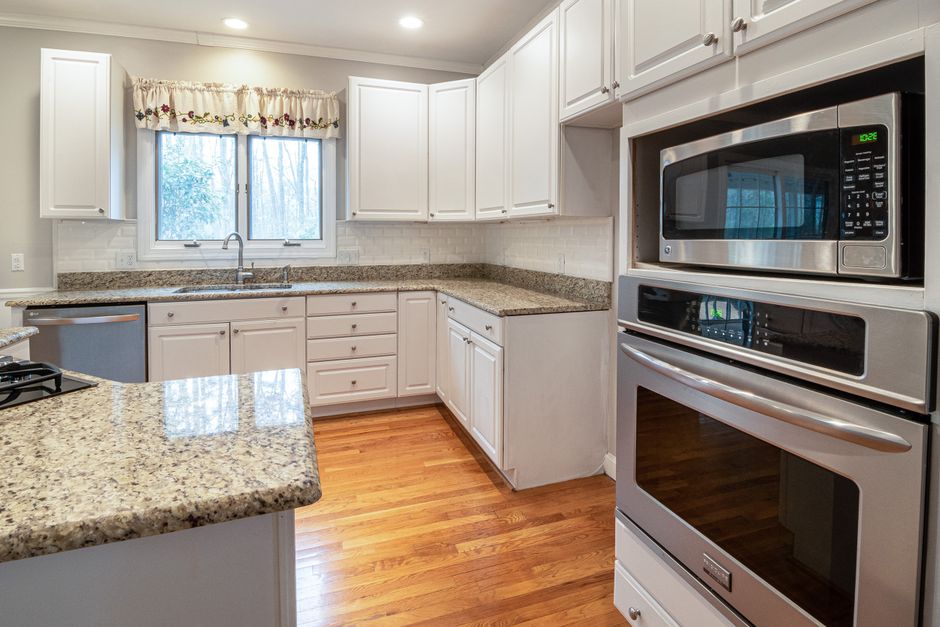
The shape of the sink cutout determines the structural integrity of the surrounding stone. Large rectangular openings leave less material to support the weight of the sink and the water inside. A sink cutout with sharp, ninety degree corners creates a high stress area. Professional templating requires rounded interior corners to mitigate this risk. Even with a digital template, the physical reality of the stone remains the same. The distance from the edge of the cutout to the edge of the slab must be sufficient to handle the clamping force of the hardware. An insufficient overhang or a narrow strip of stone will snap under the pressure of a heavy undermount sink installation.
Clamping Force and Vibration
Clips should be snug but never compressed to the point of deformation. A loose clip allows the sink to move, which causes plumbing leaks. A tight clip causes the stone to crack. The goal is a firm connection that holds the sink against the underside of the slab without squeezing the material. In Buncombe County, NC, temperature shifts can cause slight movement in the building. If the stone is under extreme compression from the sink clips, it has no room to move. This lack of movement is the primary cause of cracks appearing near the sink cutout after a few months of use. Testing the tension with a finger is not a substitute for a measured torque application.
Material Specific Limits
Different materials require different approaches to fastening. A butcher block sink installation uses screws and wood glue, which reacts differently than stone. Porcelain is extremely brittle and requires even less compression than granite. A remnant of stone used for a small vanity has even less structural strength than a full slab. The thickness of the material at the sink cutout is the most vulnerable point. Always check the clip placement to ensure it is not sitting directly on a weak point in the stone geometry.