Diamond-tool-kerf-compensation
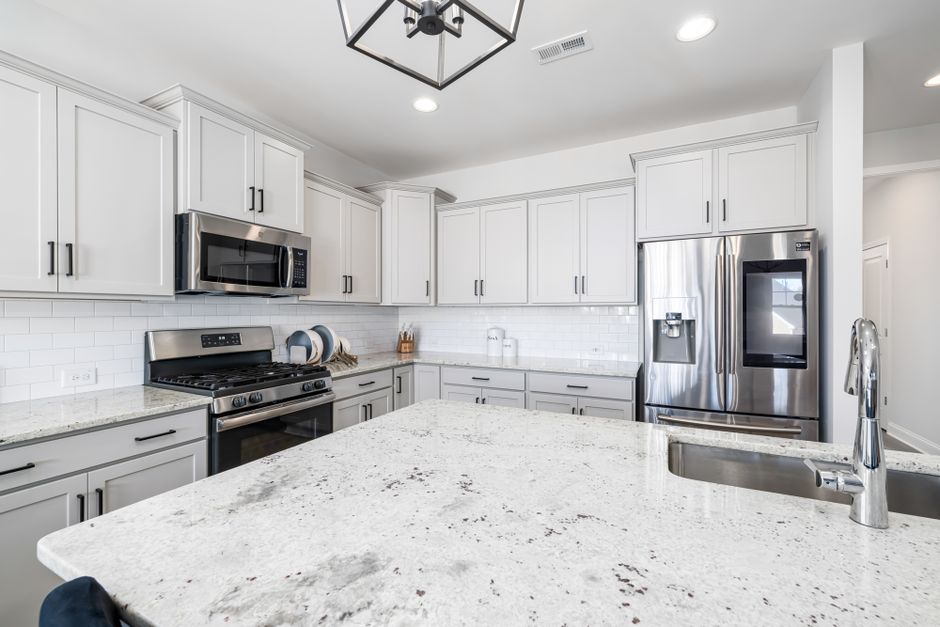
Measure the thickness of the diamond blade before marking the slab for any cuts. The data presented at custom countertops buncombe county nc mid jersey chamber shows how a single mistake in kerf calculation ruins a granite work surface in Buncombe County, NC. A blade does not cut a zero width line. It removes material. Every pass of the saw turns stone into dust. That dust is the kerf. If the line is drawn on the wrong side of the mark, the piece ends up undersized by the width of the blade.
Calculating Kerf Width
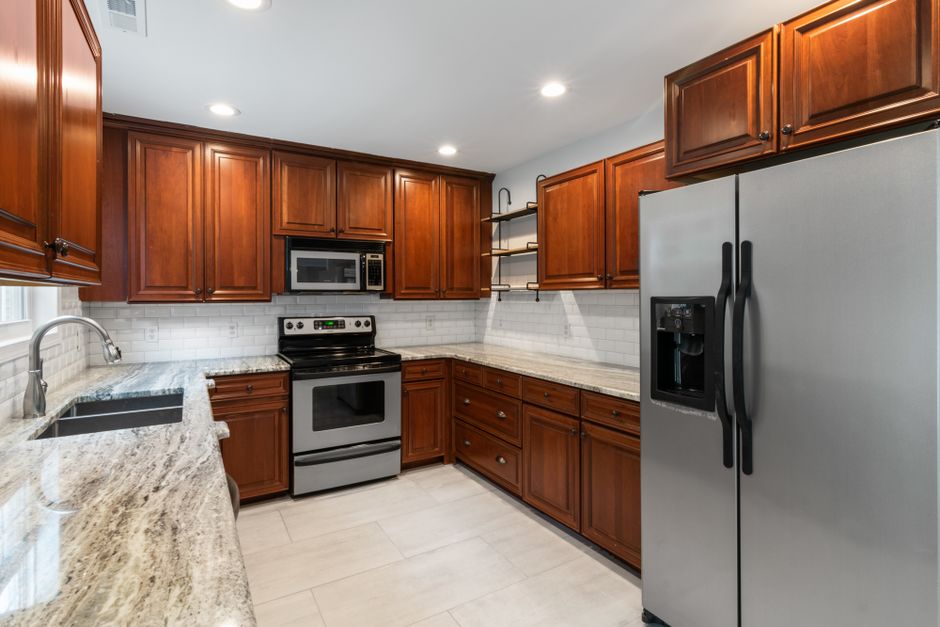
Standard diamond blades for quartz or porcelain often range from 1/8 inch to 3/16 inch in thickness. A technician must decide whether to cut on the waste side or the keep side of the pencil line. Cutting on the waste side preserves the finished dimension. If the mark is treated as the center of the cut, the resulting slab will be too narrow. This error becomes visible during seam placement. A seam that should be tight will show a gap if the kerf was not subtracted from the total length during the initial layout.
The Impact on Slabs and Remnants
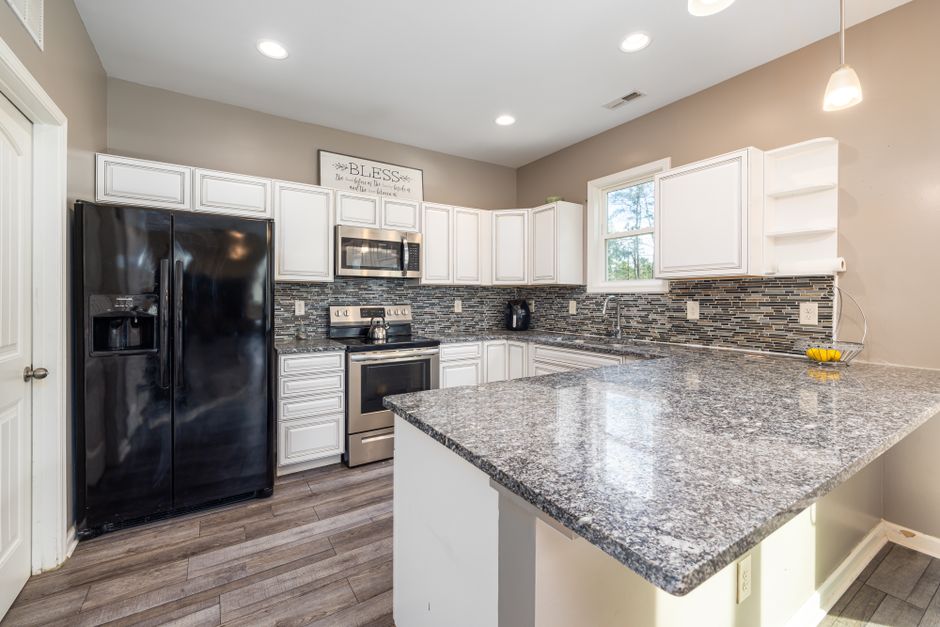
Working with a large slab requires precise math to ensure an overhang remains consistent across the entire run. Using a remnant for a small bathroom vanity requires even tighter tolerances. A 1/8 inch loss on a small piece of marble can change the entire geometry of the installation. The blade takes a bite out of the material. This bite must be accounted for in the digital template. If the computer model does not include the kerf, the physical pieces will not fit the cabinetry. The geometry of the stone changes once the blade enters the material.
Managing Sink Cutouts
A sink cutout involves multiple passes. The kerf at the inner corner of an undermount sink opening can cause structural weakness if the blade wanders. A blade that is too thick creates a wider opening than the template specifies. This makes the mounting clips for the sink sit too far from the edge. Every cut around a cutout removes material that cannot be replaced. The math must include the radius of the blade to prevent the stone from cracking at the corners.
Edge Profiles and Final Dimensions
An eased edge or a bullnose profile changes the visible footprint of the stone. While the edge profile affects the top surface, the kerf affects the total width of the piece. If the blade eats into the material during the squaring of the edges, the final width will be less than the specified dimension. This affects how the stone meets the wall or the backsplash. A consistent thickness is required across the entire length of a waterfall edge to ensure the vertical and horizontal planes align perfectly.